

Many people feel anxious when visiting the dentist, especially those who have experienced lengthy or complicated dental procedures in the past. The experience can also be unsettling for individuals with sensitive teeth, an overly sensitive gag reflex, or a fear of needles. Children are also prone to dental anxiety, fearing what will happen during their dental appointment or knowing that it means sitting still for a while.
For these individuals, sedation dentistry is often the solution, which helps them feel calm and at ease throughout their procedure. It most often only involves moderate sedation, with the individual still awake and alert but feeling more carefree and far less anxious.
What happens before sedation dentistry?
Before a sedation dentistry visit, you’ll talk to your dentist about the various sedation options, any health risks, and possible issues with medications such as blood thinners.
Sedation options for dental procedures include:
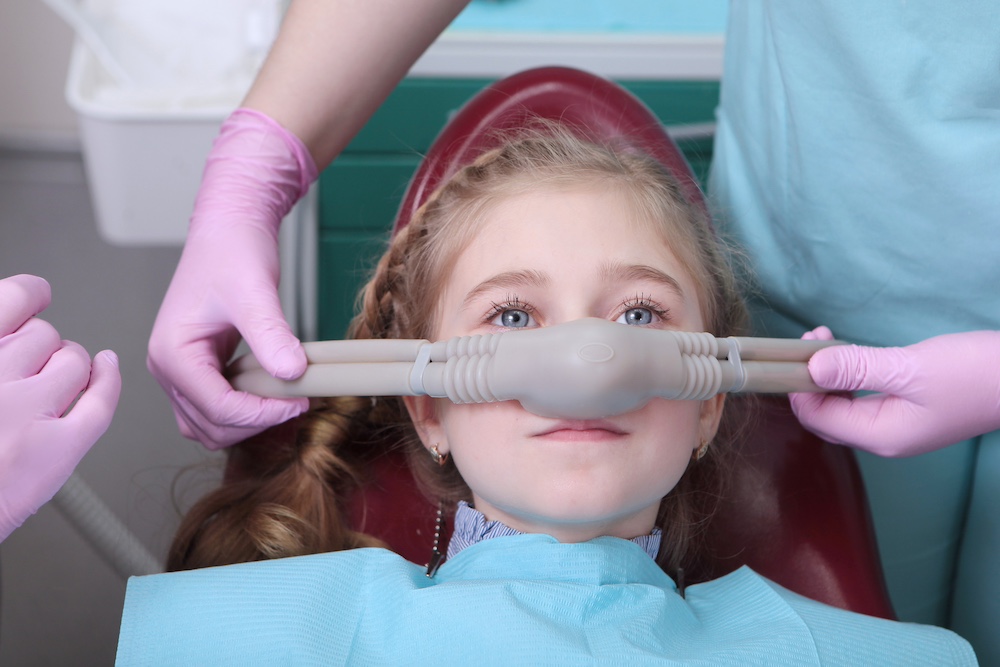
- Nitrous oxide – Commonly known as “laughing gas,” this is inhaled through a mask or nosepiece with calming effects noticeable within 3-5 minutes. The dentist controls the amount of nitrous oxide, adjusting accordingly throughout the procedure. This is the most commonly used dental sedative and the option with the least amount of side effects.
- Oral conscious sedation – This is a pill-form sedative medication taken an hour before your procedure begins. Oral conscious sedation makes you very groggy and often induces sleep. However, it’s a light slumber that allows you to maintain communication with your dentist during the procedure. Since oral conscious sedation temporarily affects memory and motor skills, a family member or friend must drive you home.
- Intravenous (IV) sedation – This is the deepest form of dental sedation, with medication delivered directly to your bloodstream through an IV. This requires careful monitoring of vitals, including heart rate, blood pressure, and oxygen levels. IV sedation will make you fall asleep without memory of the procedure upon awakening. This sedation option is reserved for those with the most severe dental anxiety or if you’re undergoing a lengthy or painful dental procedure.
Once your level of anxiety and the options are discussed, you and your dentist will determine the appropriate type of sedation for your procedure.
In addition, before any procedure involving sedation, food and beverages should be avoided for at least six hours prior to your appointment.
What happens during and after sedation dentistry?
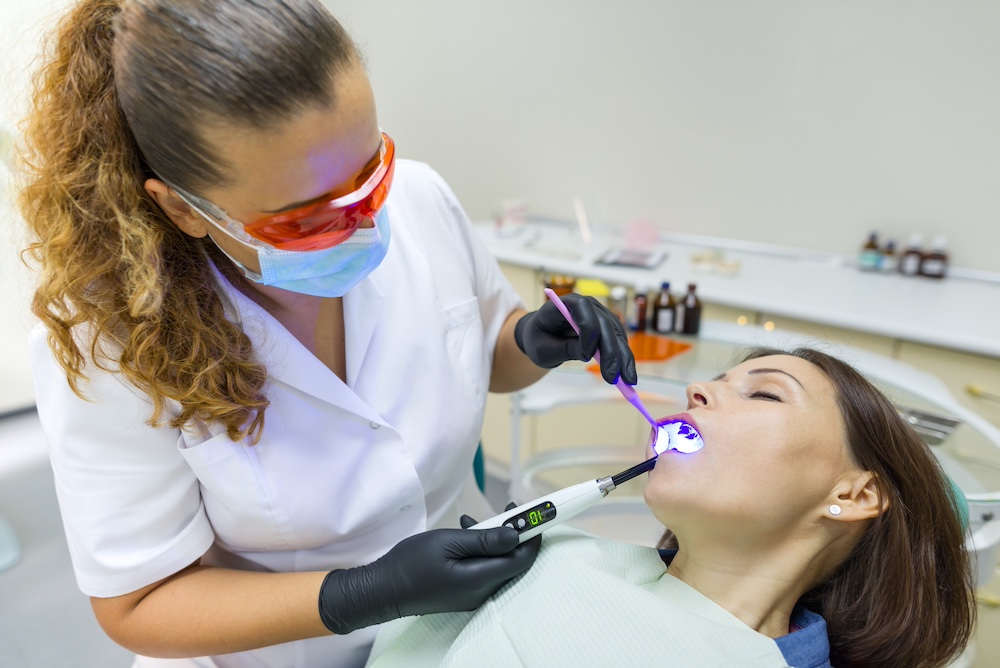
At the beginning of your sedation dentistry appointment, your dentist will provide the sedation option you’ve chosen. As it takes effect, you’ll start to feel calm and relaxed. Once you’re comfortable, a local anesthetic will be applied to numb your teeth and gums. With all forms of sedation except IV sedation, you’ll stay awake, able to hear your dentist, follow instructions, and communicate throughout the procedure.
After your treatment is complete, your dentist will allow you a few moments in the chair to recover from the sedation. If you received nitrous oxide, you’ll breathe pure oxygen to clear it from your system so you can drive home safely. For any other type of sedation, you’ll need a friend or family member to bring you home. Once you’re back home, plan to rest while the remaining effects of the sedative wear off.
Recovery time depends on the type of sedation used and your individual response. Most patients recover from nitrous oxide within 15–30 minutes, while oral conscious sedation and IV sedation typically take up to 24 hours to fully wear off. You can eat and drink once you feel alert again, though your dental treatment itself may temporarily restrict what foods you’re able to enjoy.
Are there risks associated with sedation dentistry?
Sedation dentistry is safe, as it can only be administered by a licensed dentist. Minor complications or side effects may occur, including lingering drowsiness, dry mouth, nausea, or headaches. Rarely do people experience an allergic reaction, but medications are readily available to counteract an allergy.
Is sedation dentistry safer than general anesthesia?
Sedation dentistry is safer than general anesthesia, which is reserved for hospitals that need a patient to fall into a completely unconscious state over a long period of time for a more complicated surgical procedure. It requires close monitoring of vitals by an anesthesiologist and has a longer recovery period.
Is sedation safe for children undergoing dental procedures?
Children are often sedated for dental procedures, most often with “laughing gas,” unless they are undergoing oral surgery requiring a deeper level of sedation. It is entirely safe for children, with rare but possible short-term side effects, including irritability, snoring, fever, nausea, and vomiting. Dentists even have flavored forms of nitrous oxide for children to make the experience fun, including grape, strawberry, and bubble gum. Just like adults, pure oxygen flushes the nitrous oxide following their procedure, allowing them to fully recover within 15-30 minutes.
There are many advantages to sedation dentistry, the most significant being lessened anxiety and the ability to remain calm. This means your dental procedure will move quicker, and you might even find the procedure can be accomplished in fewer or shorter appointments. Sedation dentistry also encourages people with dental anxiety to visit their dentist, knowing that there are options to help them remain calm and comfortable. Dental anxiety affects approximately 36% of the population, making it the leading cause of people skipping their dental check-ups. With further awareness of sedation options, that statistic could be dramatically lower.
Contact us if you would like to learn more about sedation dentistry, including the various forms of sedation.